
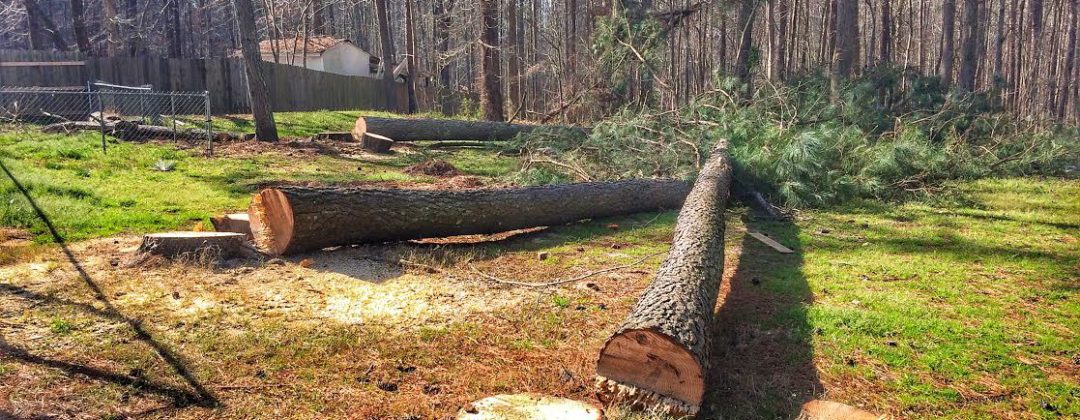
Trees are integral to our environment, providing beauty, shade, and a habitat for wildlife. However, there are times when tree and stump removal becomes necessary. Whether due to disease, storm damage, or landscaping needs, removing trees and stumps can be a significant task. In this blog post, we will explore the reasons for tree and stump removal, methods, and the benefits of hiring professionals.
Why Remove Trees and Stumps?
- Safety Concerns: Trees that are diseased, dead, or damaged by storms can pose a significant risk to property and people. Weak branches can fall unexpectedly, and entire trees can be uprooted in severe weather, causing extensive damage.
- Disease Prevention: Diseased trees can spread infections to other healthy trees. Removing an infected tree can prevent the spread of disease and protect the overall health of your landscape.
- Aesthetic Reasons: Sometimes trees are removed to improve the aesthetics of a property. Overgrown trees can block views or clash with a new landscaping plan.
- Construction and Landscaping Projects: Trees may need to be removed to make way for new construction, driveways, or landscaping projects.
- Root Damage: Tree roots can damage sidewalks, driveways, and underground utilities. Removing trees and stumps can prevent further damage.
Methods of Tree Removal
- Manual Removal: For smaller trees, manual removal is possible with tools like saws and axes. This method is labor-intensive and generally only suitable for smaller jobs.
- Chemical Tree Removal: Chemicals can be used to accelerate the decay of a tree. This method is slower and often used when immediate removal is not necessary.
- Mechanical Removal: For larger trees, professional tree removal services use heavy machinery like chainsaws, cranes, and wood chippers. This method is fast and efficient, ensuring the safe removal of large trees.
- Controlled Cutting: This involves cutting the tree in sections, starting from the top and working down. It’s a safe method for removing trees in confined spaces.
Tree & stump removal is a task that often requires professional intervention due to its complexity and potential hazards. Whether you need to remove a tree for safety, aesthetic, or practical reasons, understanding the methods and benefits of professional removal can help you make informed decisions. Always consider hiring a certified arborist or tree removal service to ensure the job is done safely and efficiently, preserving the beauty and health of your landscape.
Understanding Stump Removal Prices
Stump removal prices can vary widely based on several factors. On average, homeowners can expect to pay between $100 and $400 per stump. The key determinants of cost include the size and diameter of the stump, its age, and the root system’s complexity. Larger and older stumps generally cost more to remove due to their extensive root networks and the increased difficulty of extraction.
Additionally, the method of removal plays a significant role in pricing. Stump grinding, a common method, tends to be more affordable and faster than manual removal, which is labor-intensive. Location also influences cost; urban areas with higher labor rates may see higher prices compared to rural regions.
For accurate pricing, it’s recommended to get multiple quotes from professional tree removal services. They can assess the specific needs of your job and provide a comprehensive estimate, ensuring you get the best value for your investment.